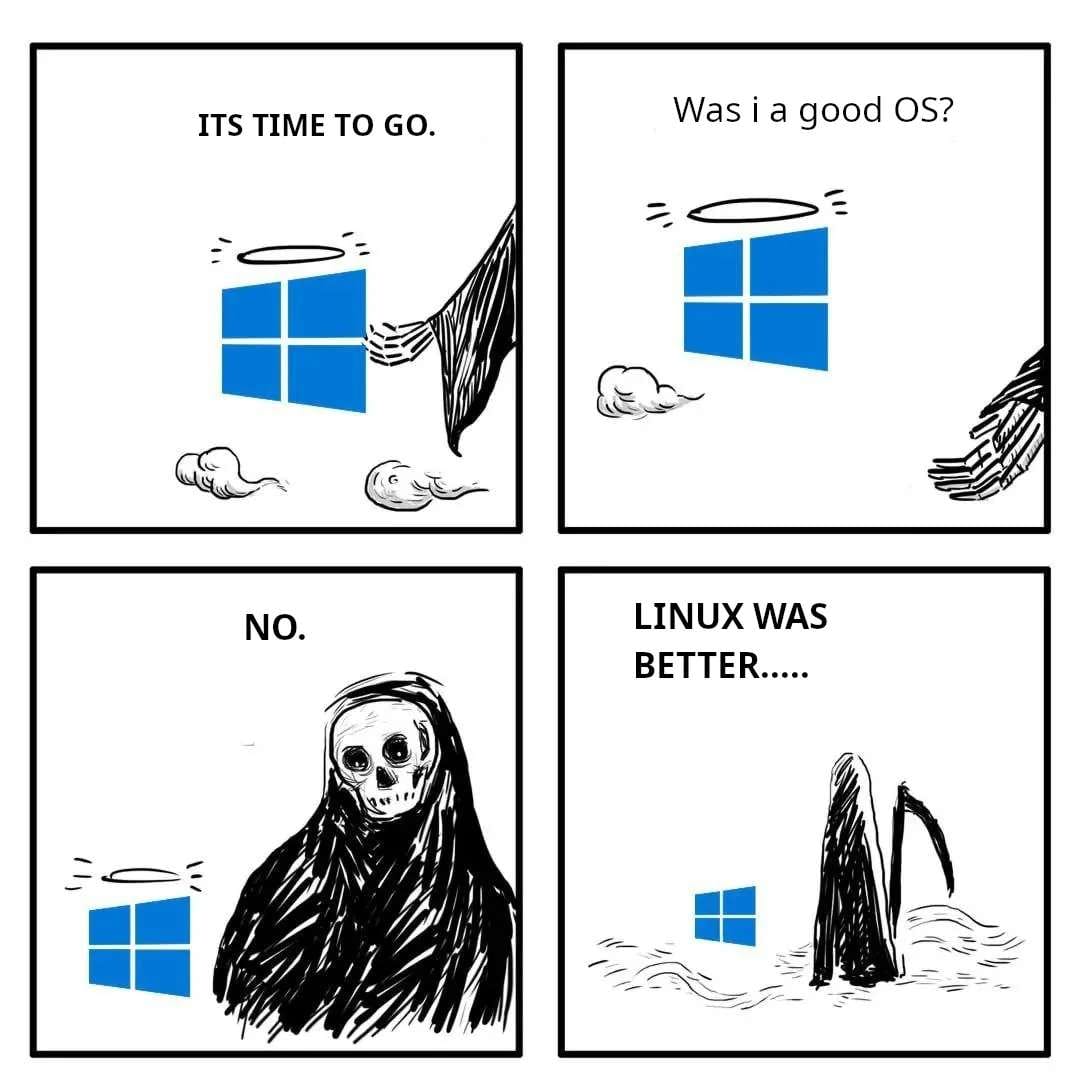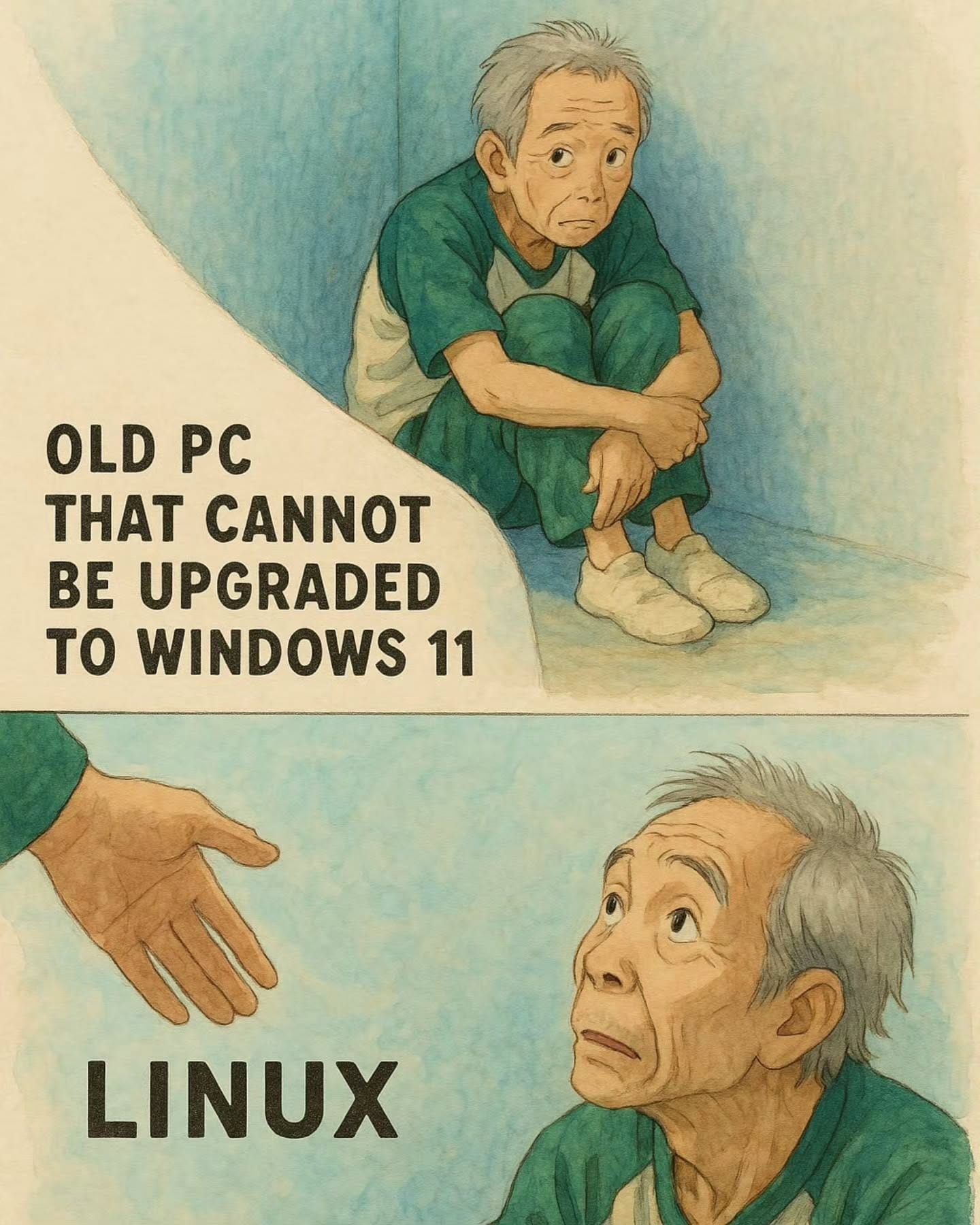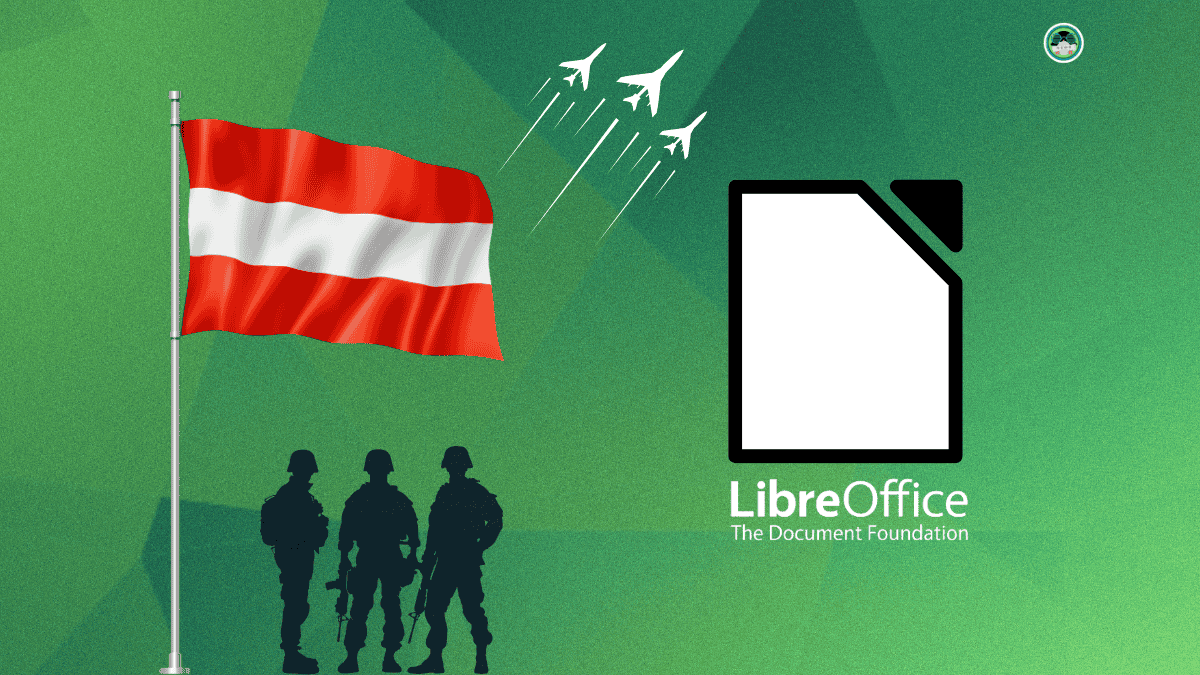

The big new, and it’s good, is coming from France. The government’s digital agency DINUM is moving its workstations from Windows to Linux, with every French ministry required to submit a plan by Autumn 2026 to reduce dependence on non-European software.
Another major update, and not a pleasant one, is coming from the United States. A federal bill is now being discussed that proposes OS-level age verification. Until now, this was limited to a handful of states, but this could expand it nationwide.
Two very different directions. Both worth paying attention to.
Here are other highlights of this edition of FOSS Weekly:
- A new Linux kernel release.
- France replacing Windows with Linux.
- Microsoft locking out open source developers.
- And other Linux news, tips, and, of course, memes!
- This edition of FOSS Weekly is supported by Aiven.
Aiven just launched a permanent free tier for OpenSearch, offering a fully managed, persistent playground for your projects. With 4GB RAM and 20GB storage, it’s specifically engineered for the memory-heavy demands of AI: support for k-NN indexing, vector search, and RAG pipelines.
No credit card required and no trial limits. What else can you ask for?
📰 Linux and Open Source News
VeraCrypt, WireGuard, and Windscribe all had their Windows Hardware Program developer accounts suspended, cutting off their ability to ship signed driver updates for Windows.
Two related kernel AI stories this week. First, Linux has shipped an official AI coding assistants policy where AI help is allowed, but every patch needs a human accountable for it. Second, Greg Kroah-Hartman has been running what looks like an AI-assisted fuzzer on the kernel in a branch he calls "clanker."
A Valve contractor has put together a fix for the VRAM mismanagement problem that's been hitting Linux gamers on AMD GPUs with 8GB or less.
A bug report filed in 2005 asking for per-screen virtual desktops in KDE has finally been addressed. The feature lets each monitor show a different virtual desktop independently rather than all switching together.
Linux 7.0 landed this week with a wide spread of improvements. Intel gets Nova Lake audio and better Arc GPU temperature reporting. AMD gets early Zen 6 performance profiling support and GPU groundwork for future hardware.
🧠 What We’re Thinking About
Session has lost all its paid developers and is running on volunteers. Donations are keeping the infrastructure alive until July 8, but development is effectively frozen unless they reach their $1 million donation goal.
🧮 Linux Tips, Tutorials, and Learnings
Not everyone is a command line fan, but if you do spend some time in the terminal, these tips and shortcuts will save you plenty of time and make you more efficient.
And if you are absolutely new to Linux, it helps to start with the basics first. Not commands, but the kind of foundational things that make your early terminal experience far less confusing.
Moving from basics to everyday usability, we now have a beginner-friendly guide to taking screenshots in Linux Mint. It covers the built-in GUI tool, keyboard shortcuts, and even how to set up custom delayed screenshots.
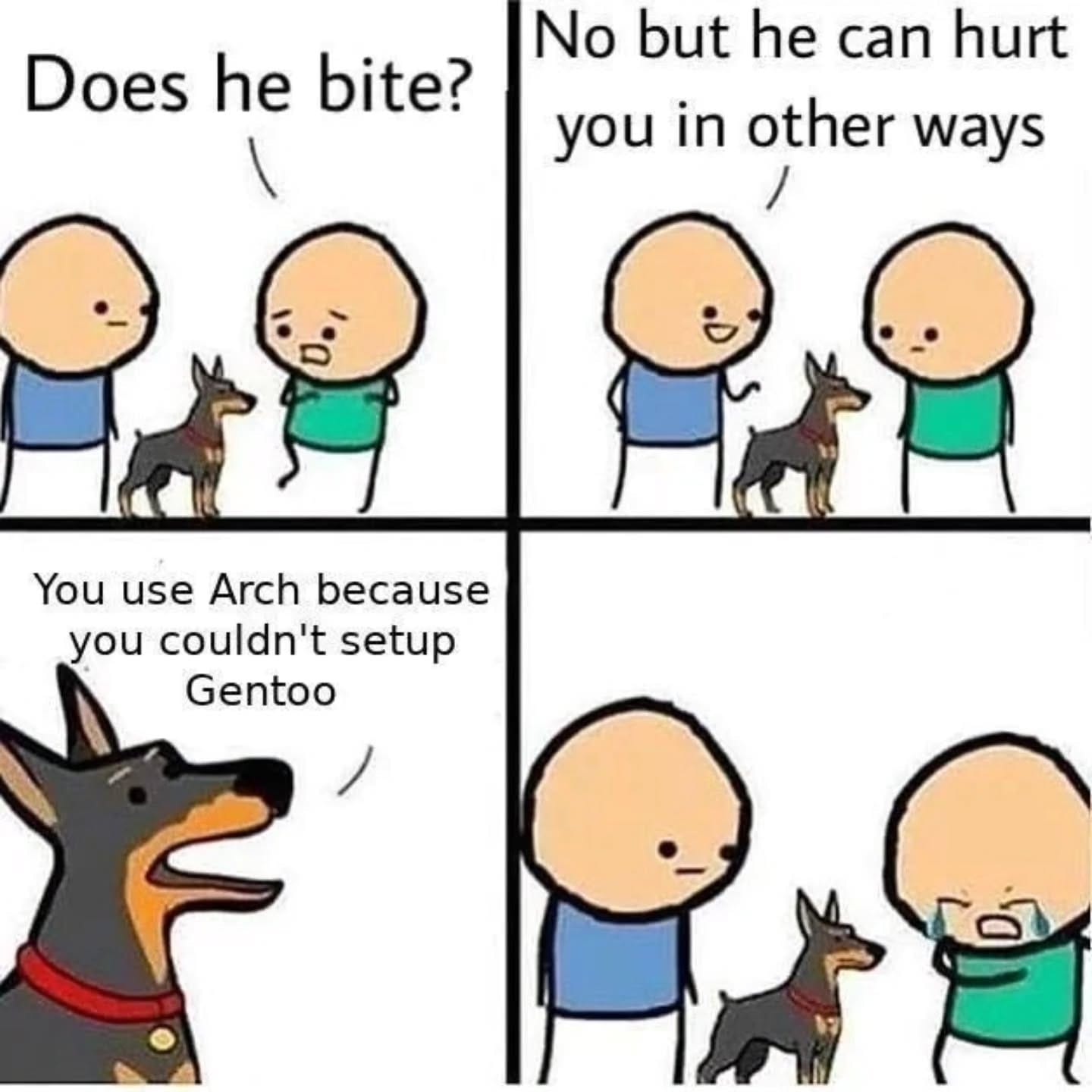
Once you get comfortable with the essentials, you might start exploring distributions more deeply. But not all rolling release distros are made equal. Arch gives you everything and expects you to handle it. Manjaro smooths the edges. Void is independent and leans stable. Gentoo compiles everything. Which one would you go for?
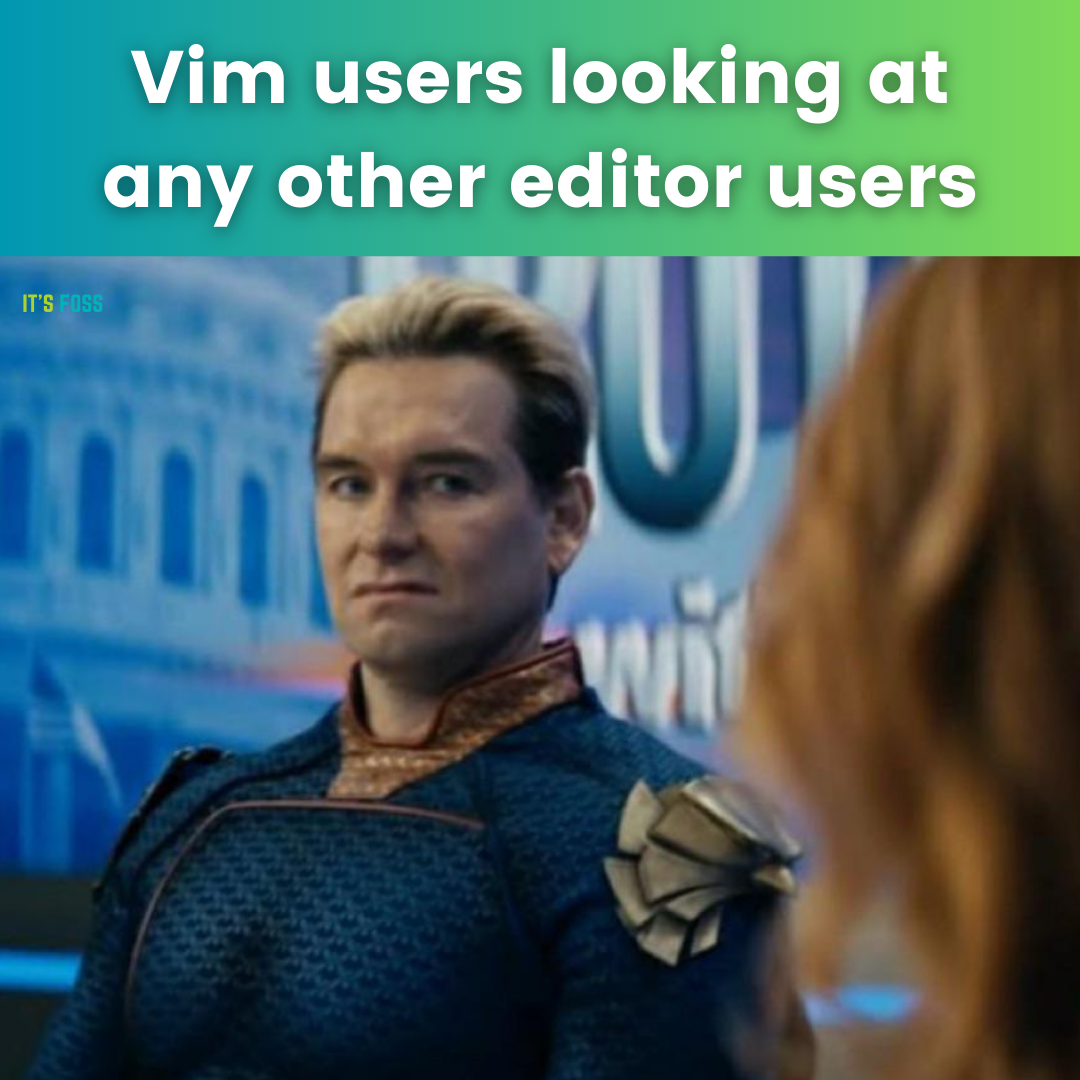
And somewhere along that journey, you’ll inevitably hit the classic fork in the road: Vim or nano. Nano works exactly like you'd expect a text editor to work, with controls visible on screen. Vim, on the other hand, runs on modes, muscle memory, and a learning curve that takes real commitment.
📚 Linux eBook bundle (ending this week)
No Starch Press needs no introduction. They have published some of the best books on Linux. And they are running an ebook bundle deal on Humble Bundle.
I highly recommend checking it out and getting the bundle.
Plus, part of your purchase supports Electronic Frontier Foundation (EFF).
👷 AI, Homelab and Hardware Corner
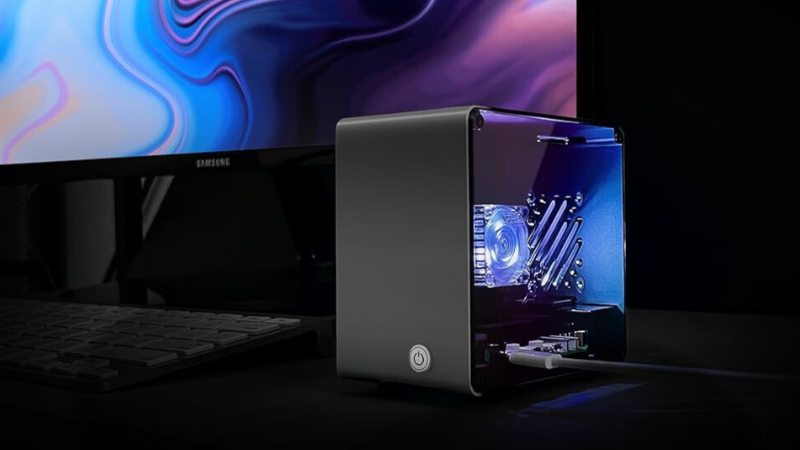
At some point every homelab stops being manageable by memory alone. Our roundup of dashboard tools is the answer to that.
Tired of AI fluff and misinformation in your Google feed? Get real, trusted Linux content. Add It’s FOSS as your preferred source and see our reliable Linux and open-source stories highlighted in your Discover feed and search results.
✨ Apps and Projects Highlights
Yantr is a self-hosted app store for your homelab that runs as a single Docker container on top of whatever OS you're already using.
📽️ Videos for You
Fedora 44 got delayed, but you can check out what's new!
💡 Quick Handy Tip
Firefox has a native color picker called Eyedropper that helps you know the exact hex color code of a specific color on a webpage. It is available inside Menu -> More Tools -> Eyedropper.
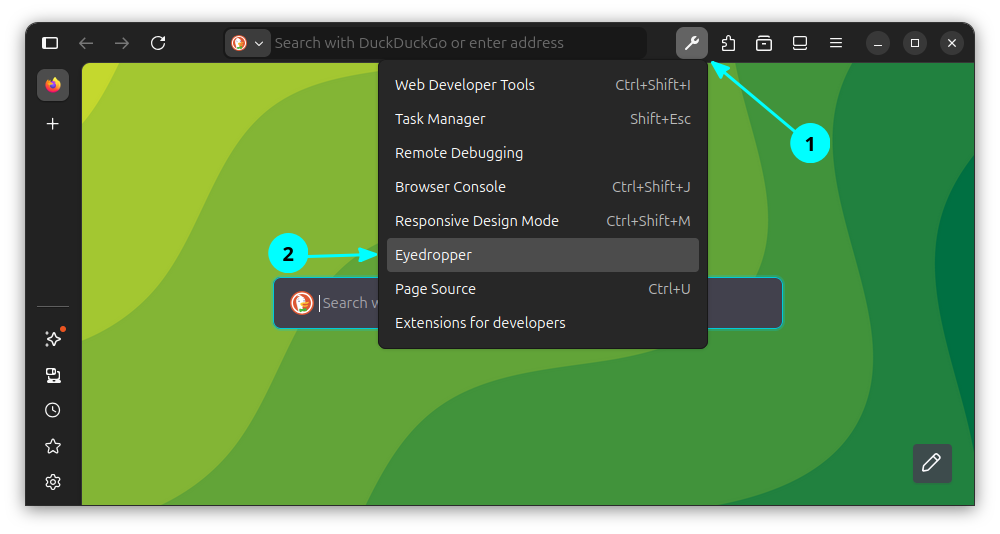
You can also right-click on an empty place in the toolbar and select "Customize Toolbar..."
Here, drag and drop the "Developer" tool to the toolbar. Now, you can access the Eyedropper from this button as well.
🎋 Fun in the FOSSverse
A new fun quiz where you have to guess the fake distros that do not exist.
Oops, let me hide my pile of trash. 🫠

🗓️ Tech Trivia: On April 16, 1959, John McCarthy gave the first public presentation of LISP at MIT. The list-processing language he built from scratch became the foundation of artificial intelligence programming and introduced concepts like garbage collection still used today.
🧑🤝🧑 From the Community: One of our regular FOSSers has posted about Hardware Freedom Day 2026; are you celebrating?



















 Canonical announce Ubuntu Pro for WSL, bringing extended security coverage to users running Linux on Windows. As on desktop, it's free for personal use.